From the blog
What Trauma Informed Care Looks Like in the Cath Lab
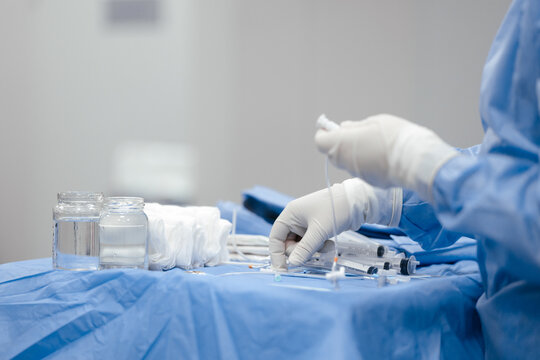
Last week, I had a cardiac catheterization.
There was a question about whether something was wrong with my transplanted heart. Thankfully, everything turned out to be fine. But there was enough concern that the test was necessary, which meant I had to face the single biggest trigger for my medical PTSD: the cath lab.
I went in with a plan.
It took me a long time to learn how to speak up for what I need in medical settings. For years, I think I believed that being a “good patient” meant tolerating whatever happened, trying not to be difficult, and trusting that the people caring for me knew what was best. I have learned that I can trust the expertise of my medical team and still have expertise of my own.
My preparation for this procedure actually started well before the day of the cath. The first step was shared decision-making with my cardiologist. I needed to understand why the test was necessary, what we were looking for, what the possible findings were, and what we would do with those findings. That conversation mattered. I wasn’t simply being told, “You need a cath.” I understood why I needed one and made an informed decision to proceed.
On the day of the procedure, my husband came with me. I asked if he could stay with me as much as possible, and the staff accommodated that request. He is exceptionally good at being present while also staying completely out of the way, and having him there made a significant difference.
I also did something I have learned that I need to do: I told every person caring for me that I have medical PTSD. I told them that the cath lab is my biggest trigger, that I need concrete information, and that uncertainty makes things substantially harder for me. Most importantly, I told them that this was not simply anxiety.
That distinction matters.
Medical staff are accustomed to seeing anxious patients. Procedures are frightening and hospitals are stressful, but PTSD is not synonymous with being nervous about a medical procedure. PTSD involves a nervous system response with a very real physiological component. When my nervous system recognizes something associated with previous trauma, my body can react to that perceived threat before the rational part of my brain has much of a say in the matter. I can use coping skills, prepare myself, communicate what I need, and work with my treatment team to make the situation safer, but I cannot simply decide not to have that physiological response.
I have had multiple serious things happen to me in cath labs over the course of my medical history. Those experiences taught my nervous system that this particular environment is dangerous, even when I rationally know that I am walking into a different procedure, with different people, under different circumstances. One of those experiences also created a very specific need that I have before a catheterization.
During a previous procedure, despite my known latex allergy, a latex catheter was used in my heart. I had an anaphylactic reaction on the cath lab table and thought I was going to die. Because of that experience, I now need to see the catheter that is going to be used before a procedure begins.
It may sound like an unusual request to someone who doesn’t know the history behind it, but the staff did not dismiss it as unnecessary or tell me that I just needed to trust them. They took it seriously. In fact, three different people showed me the catheter before the procedure started.
I also needed concrete information about what was going to happen. How long would I need to stay afterward? What would happen if the cath was normal? What would happen if they found a problem? What were the possible paths the day could take? The physician took the time to have a thorough conversation with me and answer my questions.
I was also having anesthesia for the procedure because of my history of serious complications in the cath lab. At one point, the anesthesiologist said something along the lines of, “If we’re doing this for anxiety…”
I corrected him and explained that this wasn’t simply anxiety. It was trauma.
He apologized.
That interaction mattered too. Trauma-informed care doesn’t require every healthcare professional to immediately understand every patient’s history or get every word right. It does require being willing to listen when a patient tells you that you have misunderstood their experience and then adjust accordingly. That is exactly what he did.
At one point, I talked with my nurse about something I wish more healthcare professionals understood. To her, I was one case on that day’s schedule. Cardiac catheterizations are routine in a cath lab, and the staff perform them every day. But there had been an extraordinary amount of preparation simply to get me through those doors.
There had been conversations with my cardiologist and my therapist, planning with my husband, medication planning, thinking through triggers, figuring out exactly what I needed to ask for, and preparing myself to voluntarily return to a place that my nervous system had learned was dangerous.
The procedure was routine. Getting me there was not.
That is something healthcare professionals don’t always get to see. They meet the patient who arrives for the procedure, but they may have no idea what it took for that person to walk through the door. They may not know what happened in another hospital room or procedure suite years ago that makes a seemingly insignificant part of today’s care terrifying. They also may not realize how much difference they can make simply by taking the patient’s concerns seriously.
That day, the people caring for me did exactly that. They didn’t need to eliminate every possible trigger or somehow make a cardiac catheterization pleasant. What made the experience different was that they listened when I explained what I needed and why. They gave me concrete information, allowed my husband to remain with me when it was possible, took my need to see the catheter seriously, answered my questions about what would happen under different circumstances, and recognized that my responses were rooted in trauma rather than treating them as ordinary procedural anxiety.
Most importantly, even in the hustle of a busy cath lab, they treated me as an individual rather than simply the next case on the schedule. Because they did, I was able to undergo the procedure I needed without having the experience itself become another trauma.
I walked into the place that frightens me most and came out feeling respected and heard.
For me, that is what patient-centered care looks like. It isn’t necessarily complicated, and it doesn’t require healthcare professionals to know everything about trauma before a patient walks through the door. It requires recognizing that what is routine for the person providing medical care may be anything but routine for the person receiving it. It requires asking, listening, believing patients when they describe what they need, and being willing to adjust when possible.
Last week, a very busy cath lab did that for me.
That is trauma-informed care.
Read More
In Life After Survival: A Story From Both Sides of the Bed, I write about medical trauma, patient-centered care, and what it means to experience healthcare from both sides of the bed.